I want to see a better world.
I have always believed that caring about something means very little if we are unwilling to do something about it.
Over the years, that has taken different forms for me: teaching children, working on gender equality, challenging toxic workplaces, supporting young people navigating employment, organizing demonstrations, joining artistic resistance and speaking against politics that threaten democracy and equality.
I'm a democratic socialist. I believe democracy should mean more than the ability to vote every few years. It should mean dignity at work, access to education, economic opportunity, equality regardless of gender or identity, a livable planet, freedom of expression, and institutions that protect people rather than power.
I certainly don't claim to have changed the world. But I have always tried to participate in changing the little part of it that I can.
Delhi · 2014–2016
It started with showing up.
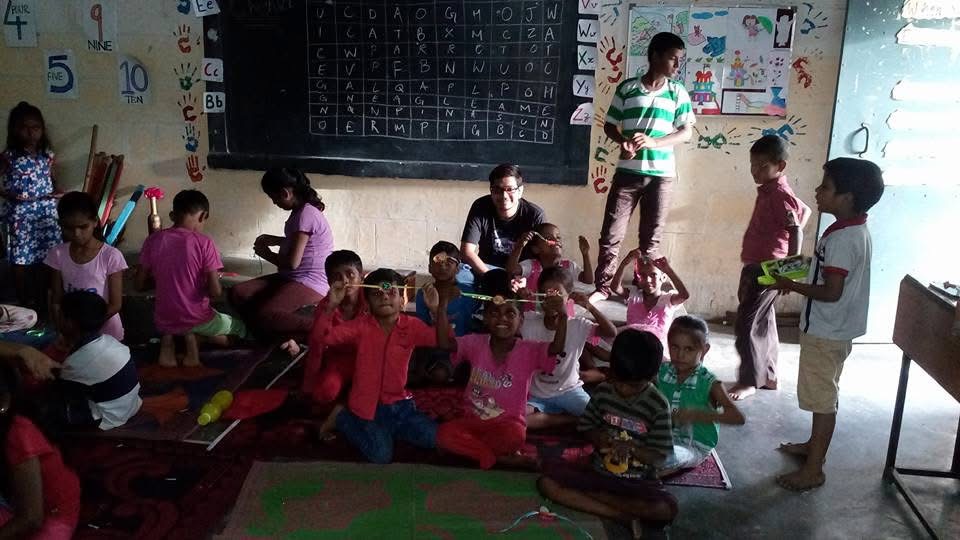
During my graduation years in Delhi, I joined Chahal, working alongside other young volunteers to teach children from underserved communities.
For nearly two years, I spent time teaching children who did not necessarily have access to the opportunities many of us took for granted. Around the same period, I also participated in cleanliness drives across Delhi.
They were simple acts: teach, volunteer, show up, contribute. But sometimes social impact begins exactly there.
HeForShe
Equality means everyone.
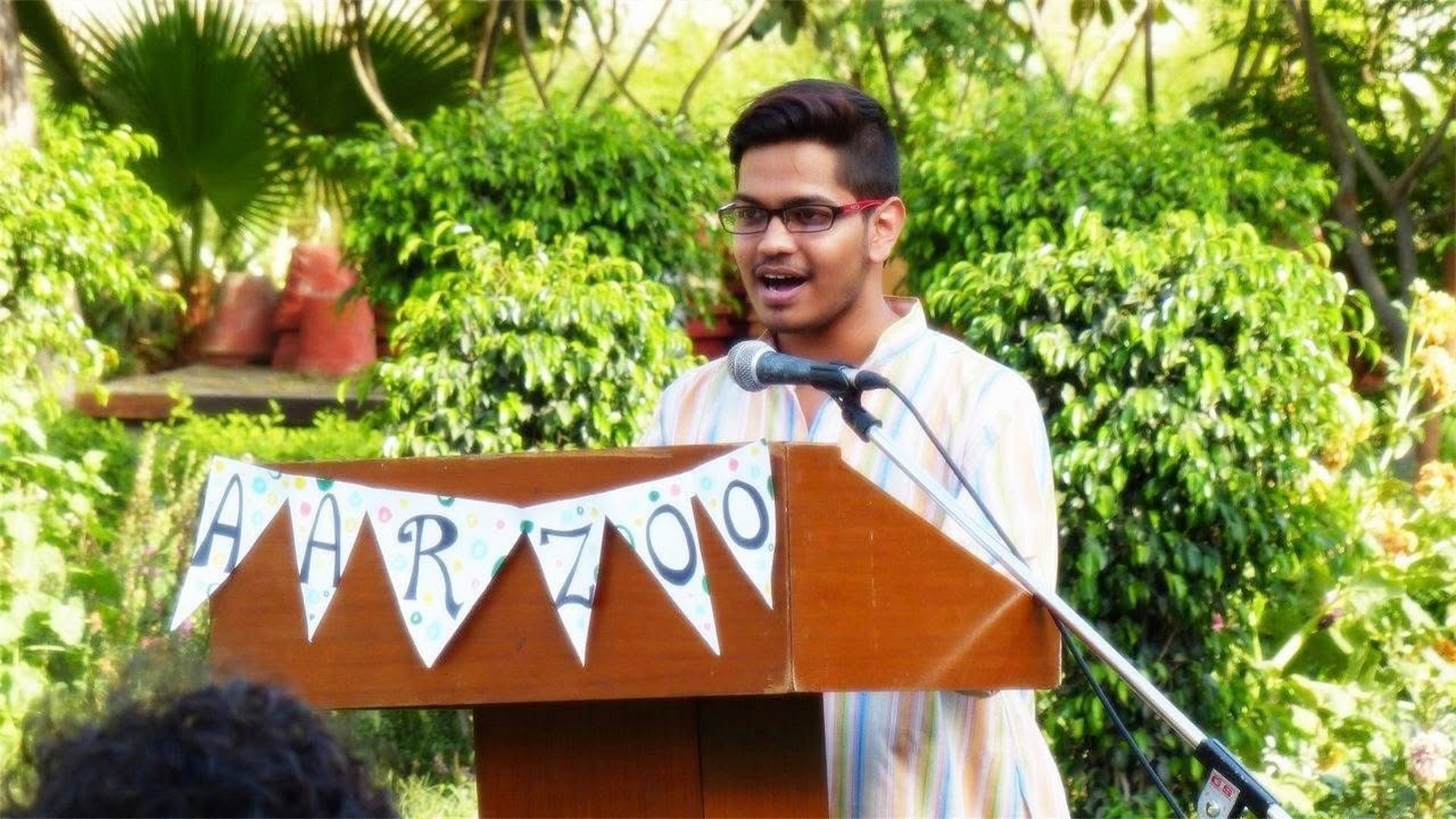
After university, I became involved with HeForShe, the solidarity movement initiated by UN Women to engage people of all genders in advancing gender equality.
For me, women's rights have never been something that women alone should have to fight for. Patriarchy is sustained by society collectively, which means dismantling it requires participation from everyone.
Not a women's issue. A society's issue.
#DetoxWork · India
Work shouldn't break people.
Working in advertising also exposed me to an industry where exhaustion was too often romanticized as ambition.
Long hours became "hustle." Sacrificing your personal life became "commitment." Leaving work on time could somehow become evidence that you weren't working hard enough.
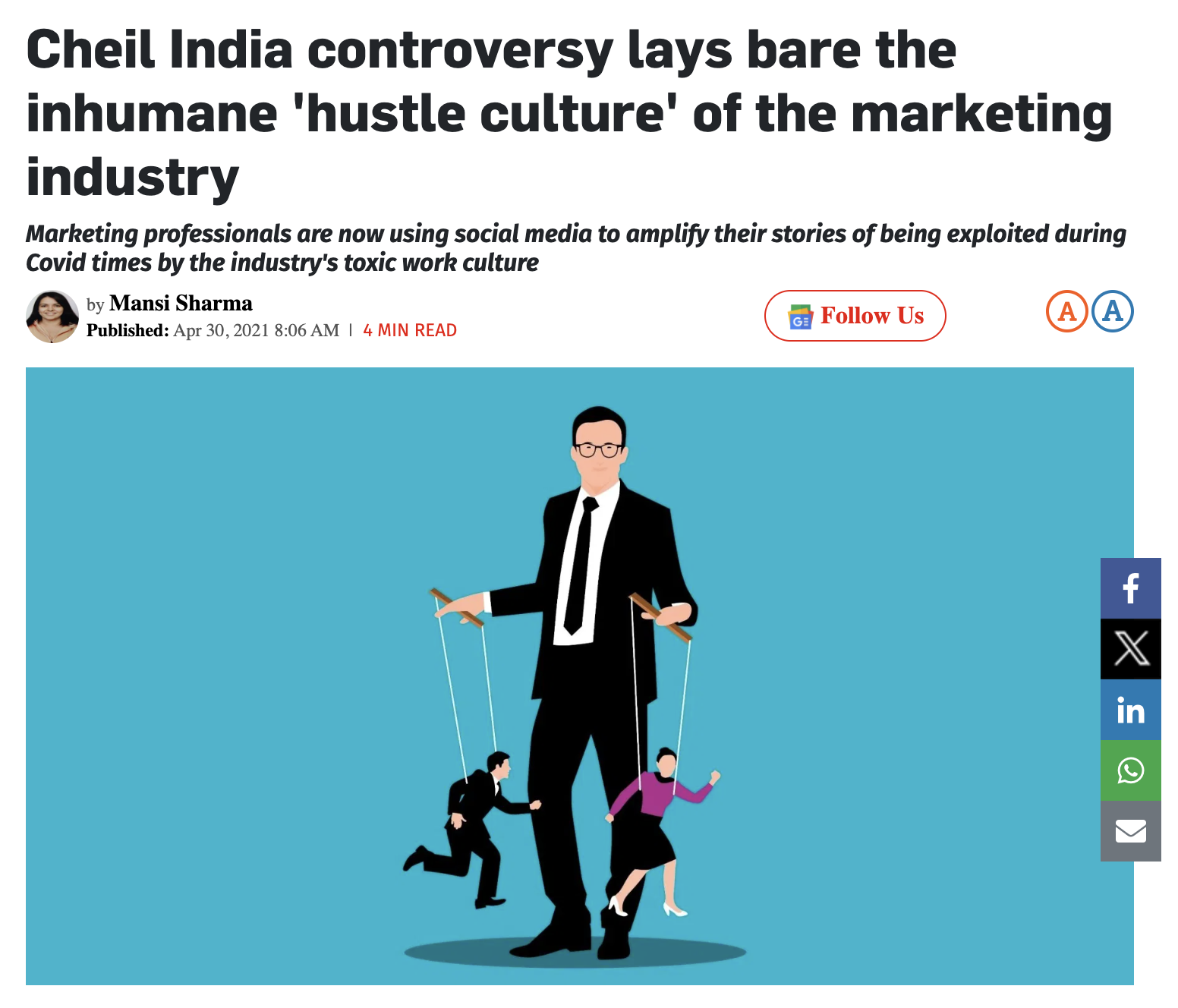
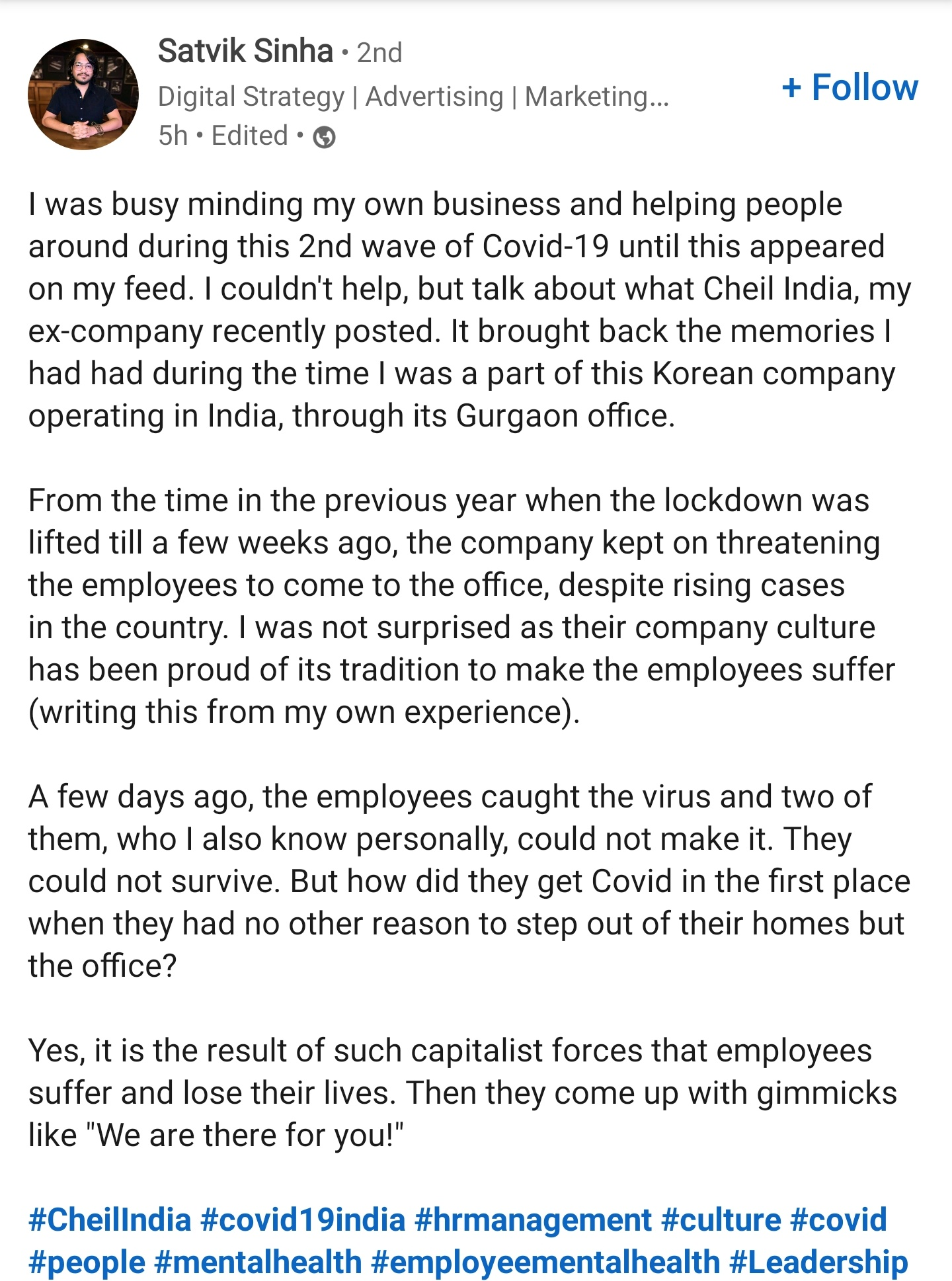
I started speaking publicly against that culture through #DetoxWork, questioning why an industry built around creativity had normalized working conditions that could leave the very people creating that work exhausted.
In 2021, that conversation became considerably more public when Exchange4media covered allegations around toxic work culture at Cheil India and quoted my criticism as part of the wider conversation about the advertising industry's "inhumane hustle culture."
The King's Trust Canada
Opening doors for young people.
After moving to Canada, I became involved with The King's Trust Canada through its youth networking initiative, which brought young people together to build confidence, professional connections and stronger pathways into employment.
I was also selected as one of 19 youth members contributing to conversations around how young people in Canada can be better supported in navigating careers and the job market.
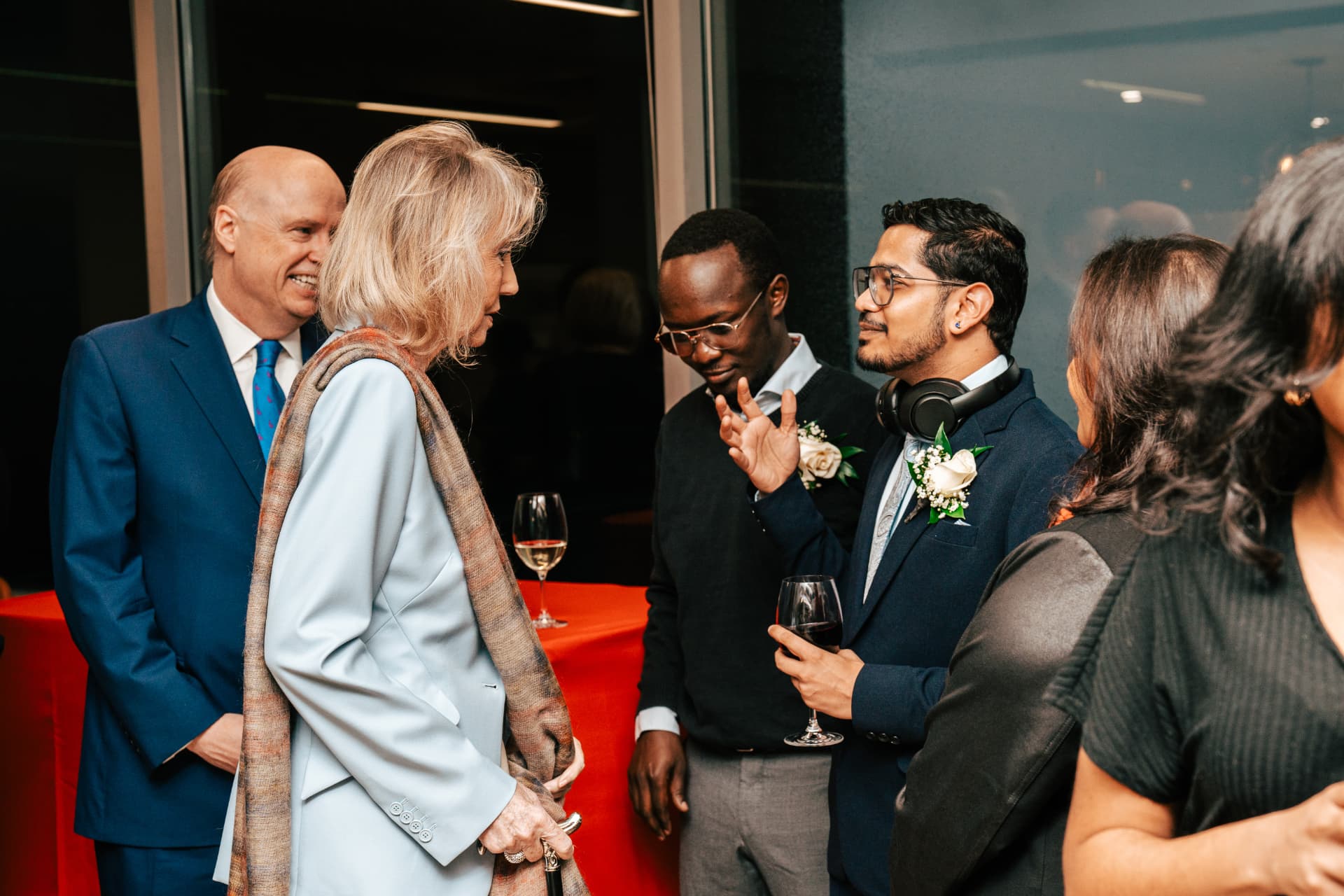
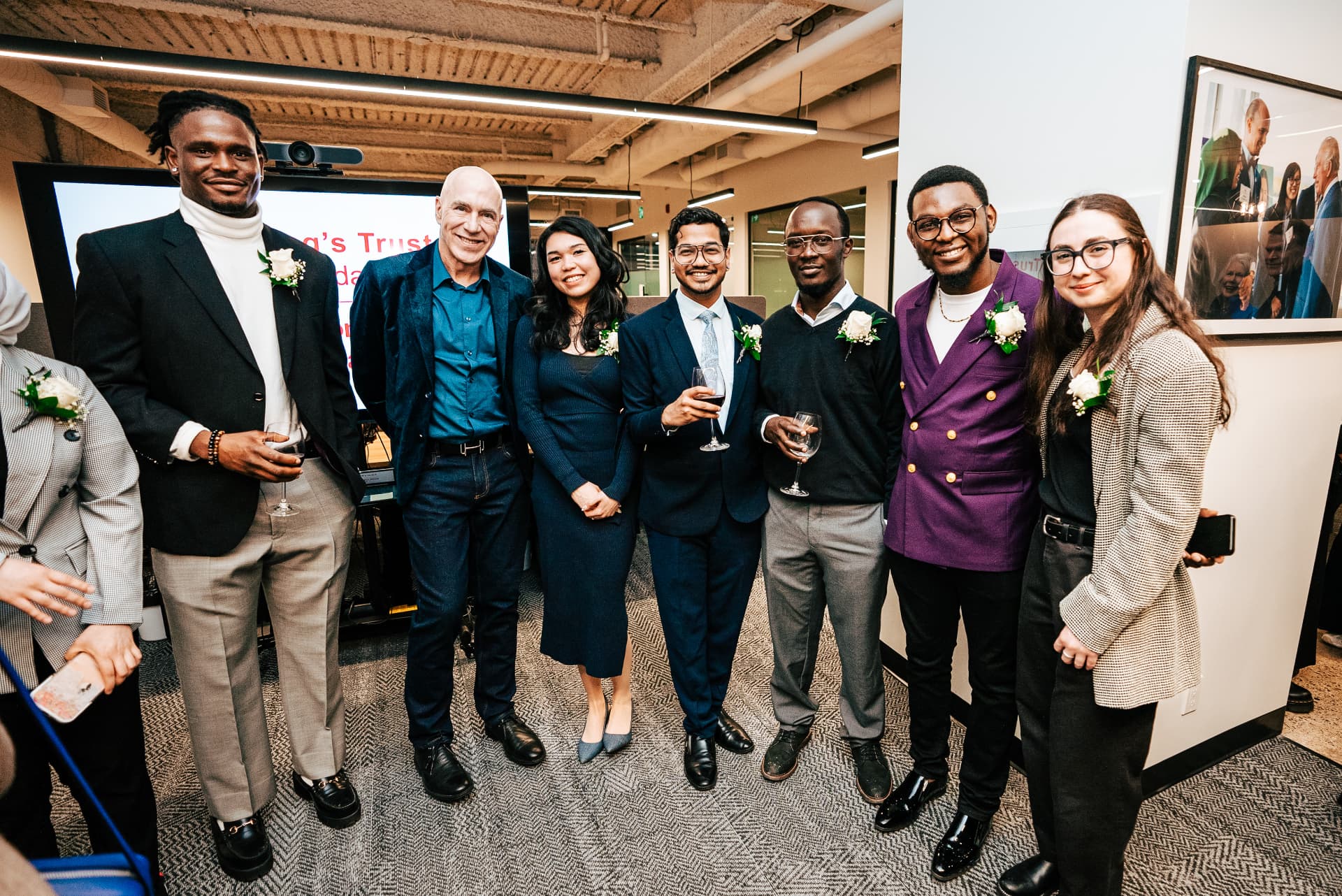
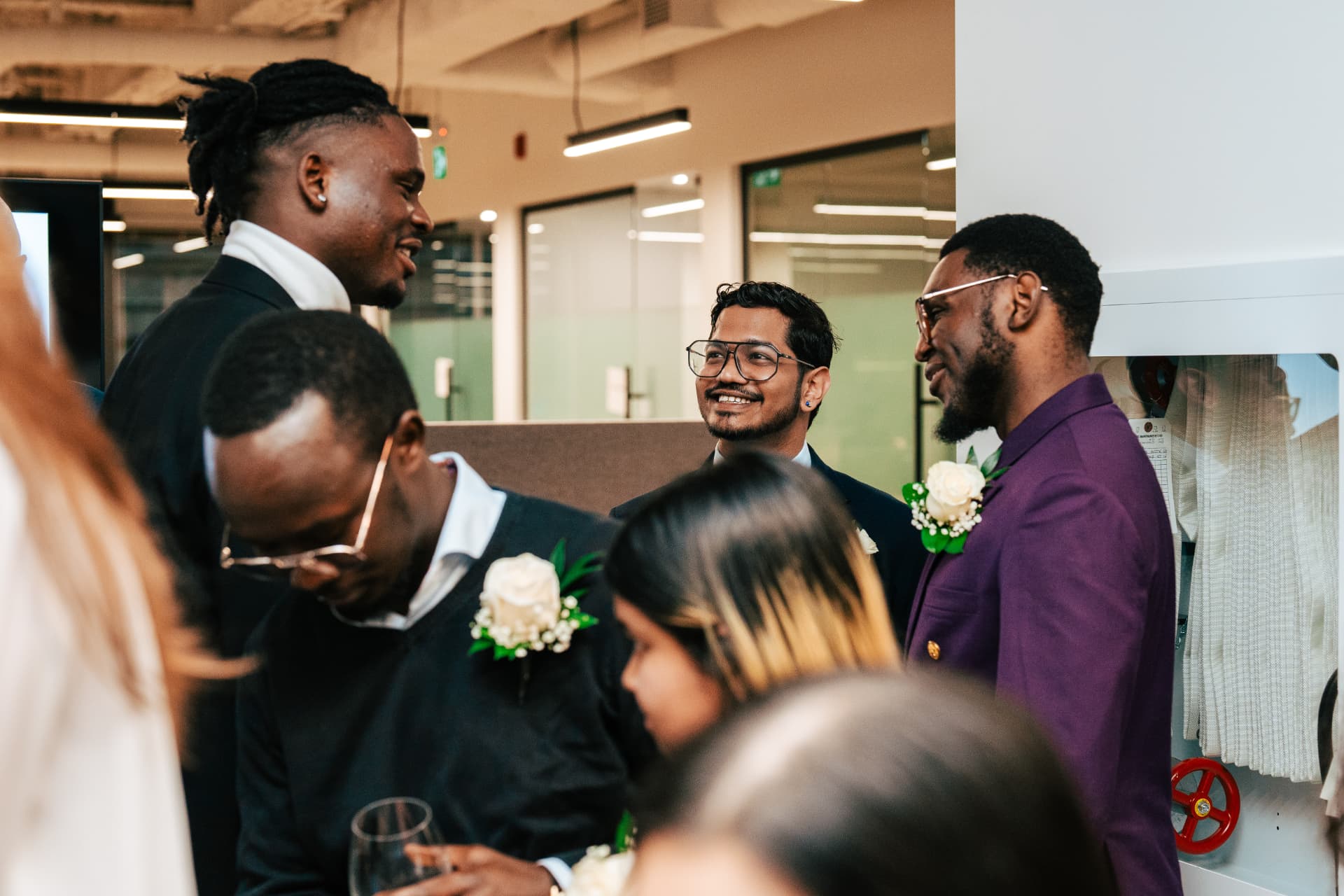
It was an enriching day filled with insightful discussions, interactive games, and engaging activities, all aimed at empowering Toronto's youth to better navigate their careers and lives.
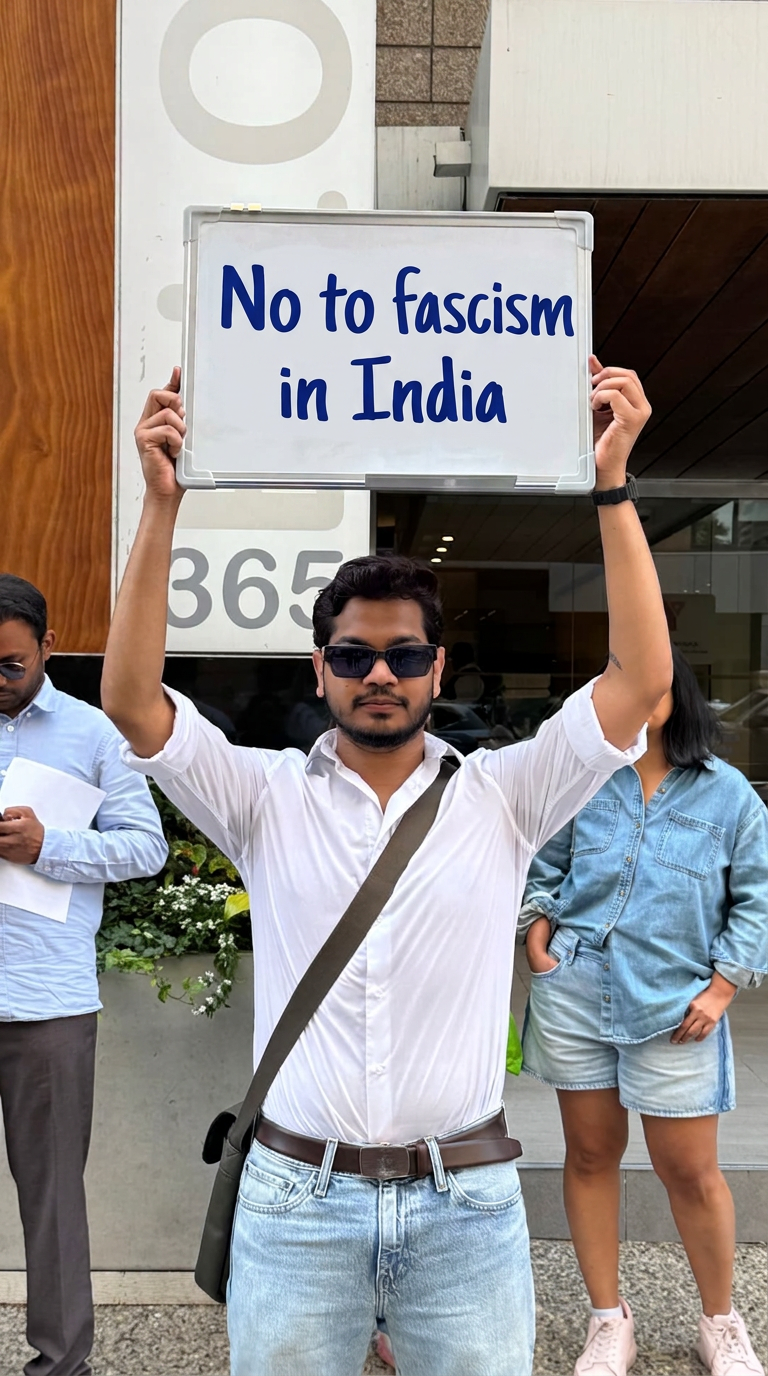
Solidarity shouldn't stop at borders.
Living in Canada has never made what happens in India feel distant to me.
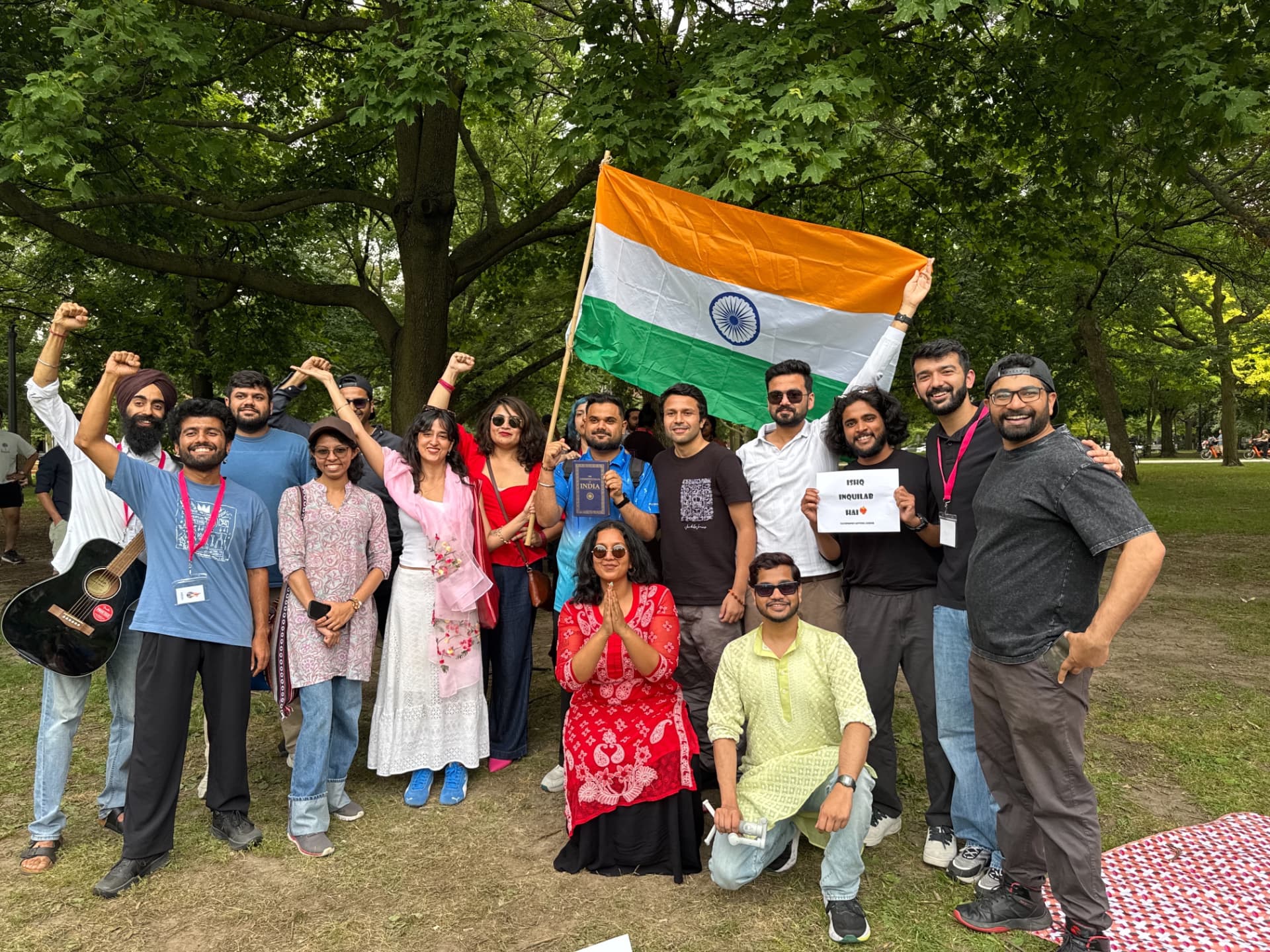
When students and activists in India were protesting over issues of education and accountability, we joined hands in Toronto to stand in solidarity with them, gathering outside the Indian Consulate and at Sankofa Square to help amplify their demands and bring more international attention to what was happening, until the education minister resigned.
The purpose was simple: people demanding accountability thousands of kilometres away should know that they are not necessarily standing alone.
Firdaus-e-Inqalaab
Art can resist too.
Activism doesn't always have to look like a march or a political campaign.
I became a core member of Firdaus-e-Inqalaab, an artist collective and resistance group bringing together art, expression and political dissent.
For me, that matters. Poetry, theatre, music, visual art and literature have always given people ways to say what power would rather not hear. Resistance has a cultural language as much as a political one.
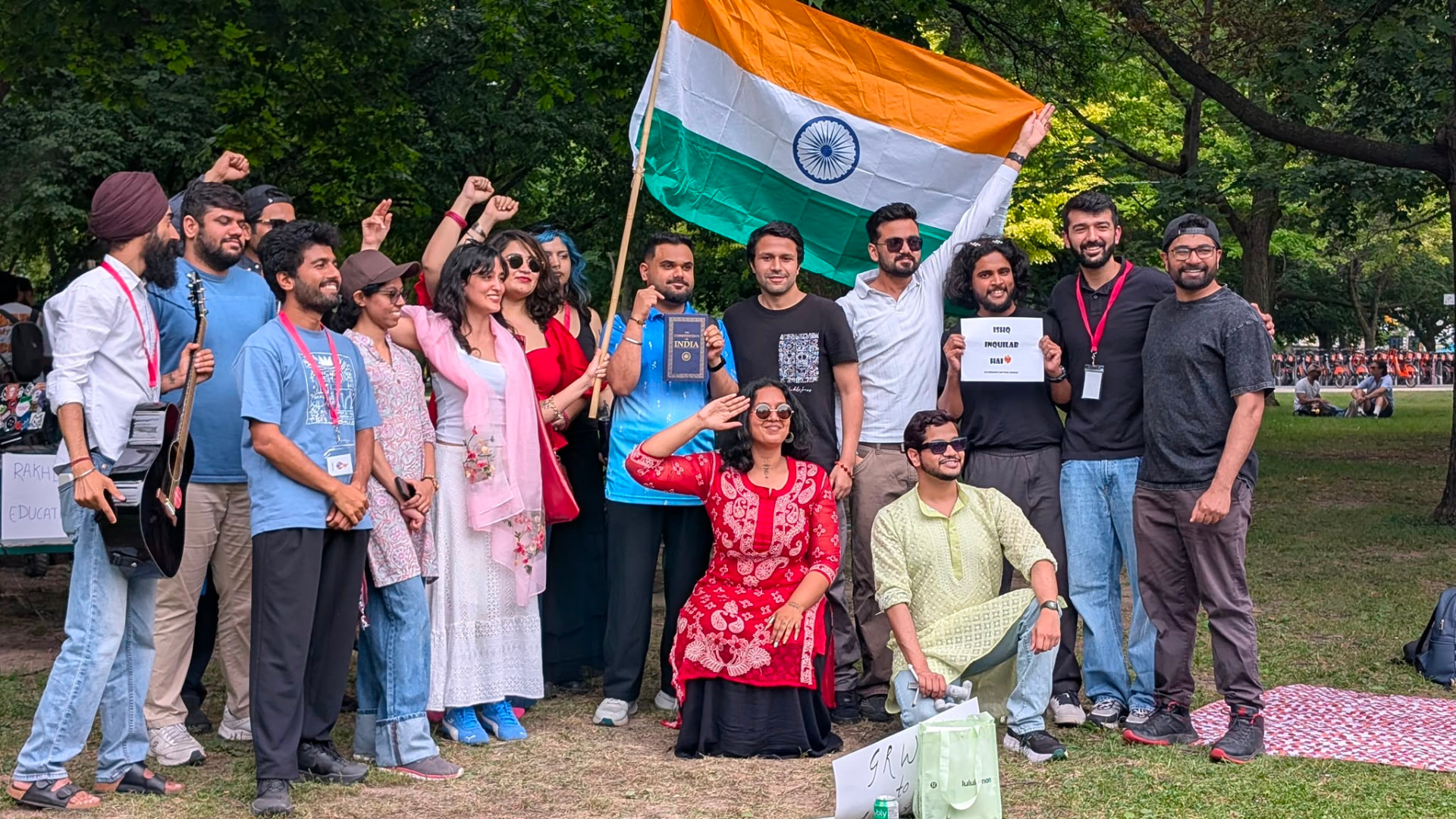
Poetry. Theatre. Music. Dissent.
Against majoritarianism.
I care deeply about protecting democracy, secularism and the idea that people of different religions, castes, cultures, languages and political beliefs should have an equal place in society.
More recently, I have become increasingly involved in public conversations and demonstrations around majoritarian politics and the weakening of democratic values, both in India and within diaspora communities.
For me, defending democracy means defending institutions, minority rights, freedom of expression and the principle that no single identity should determine who belongs.
What I stand for
- Democracy
- Power must remain accountable to people.
- Economic Equality
- Prosperity means little when it belongs to only a few.
- Workers' Rights
- A job should provide dignity, not demand your life in return.
- Education
- Opportunity should never depend on the circumstances of your birth.
- Gender Equality
- Equality cannot exist while half the population is expected to negotiate for it.
- Climate Justice
- Those least responsible for the climate crisis should not bear its greatest cost.
- Pluralism
- No religion, caste or community should determine whose country it is.
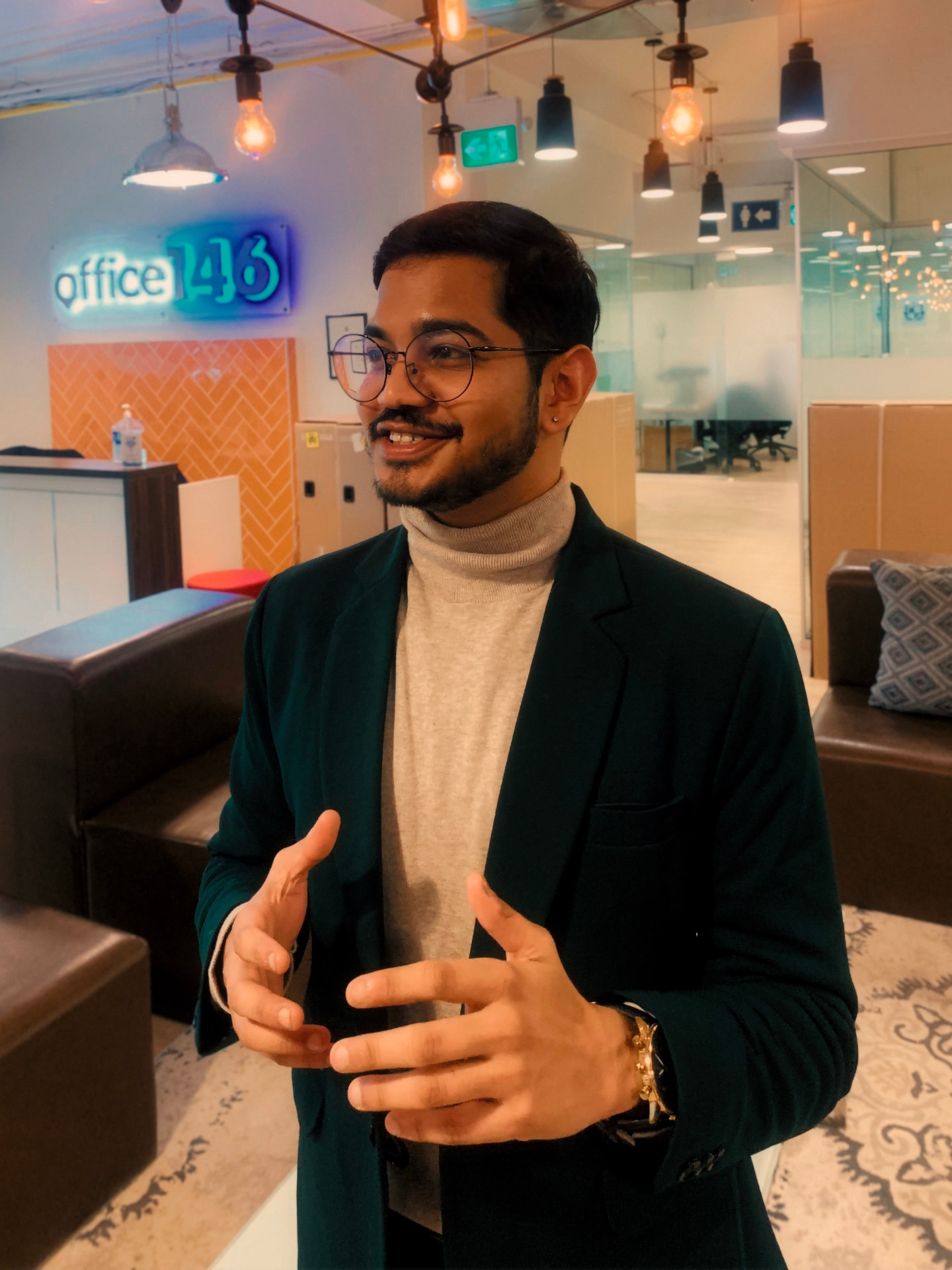
Still showing up.
I don't know exactly what form my activism will take ten years from now.
What I do know is that I don't want to become someone who sees injustice, has an opinion about it, and then moves on with his day.
There will always be more to learn, positions worth reconsidering and people whose experiences are different from mine. But when something matters, I would rather participate imperfectly than observe comfortably.